Blog
/
STEEL STRUCTURES
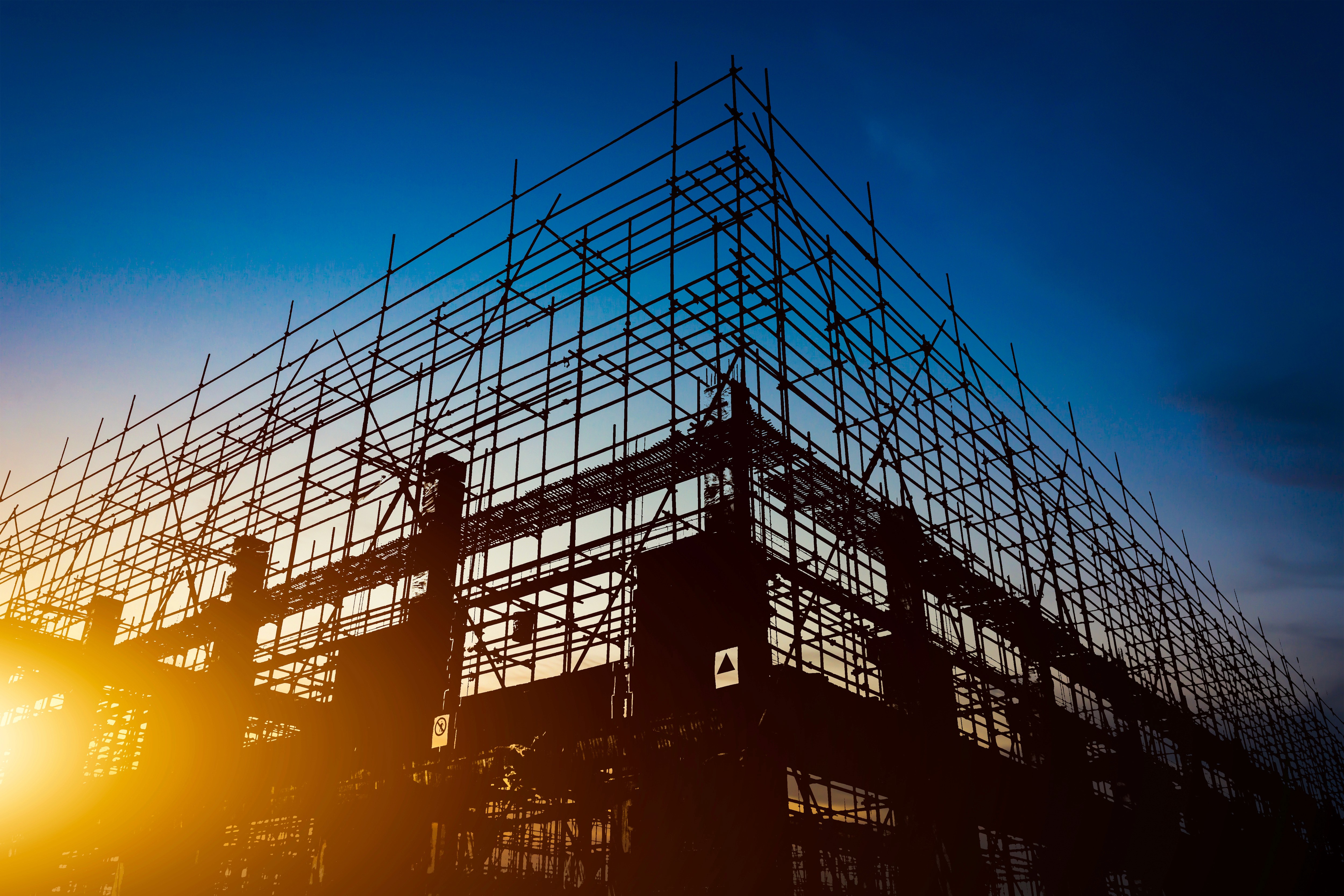
Anis Property Investment – 2B+G+4+Roof Residential & Commercial Building, Jumeirah Village Triangle, Dubai, with Monarch Design Engineering Consultant.
Anis Property Investment – 2B+G+4+Roof Residential & Commercial Building, Jumeirah Village Triangle, Dubai, with Monarch Design Engineering Consultant. City Creek Construction as contractor and AED 22,575,000 contract value for the Anis Property Investment project.

Posted at
Posted on
STEEL STRUCTURES
Delivering a residential and commercial building is more than completing structural works. It is about creating a functional, reliable, and well-coordinated development that serves residents, businesses, owners, and future users from the first day of operation.
The 2B+G+4+Roof Residential & Commercial Building in Jumeirah Village Triangle, Dubai, developed for Anis Property Investment in coordination with Monarch Design Engineering Consultant, reflects the importance of turning a project vision into a complete built environment through planning, technical coordination, quality control, and disciplined execution.
Here is how a well-managed mixed-use construction project moves from concept to completion.
1. Understanding the Project Vision and Functional Requirements
Every successful construction project starts with clarity. Before work begins on site, the project team must understand the client’s objectives, consultant’s design intent, building function, authority requirements, and long-term operational needs.
For this project, the building combines residential and commercial uses, which means the planning must support different types of users within one coordinated development.
Key questions at the early stage include:
What is the main purpose of the building?
How will residential and commercial areas function together?
What access, parking, and service requirements must be considered?
How should MEP systems support different building zones?
What standards must be achieved for safety, quality, and handover?
This foundation guides every construction decision that follows.
2. Building the Technical Coordination System
Once the project direction is clear, the next step is to establish a strong technical coordination system. This ensures that architectural, structural, MEP, finishing, and authority requirements are aligned before and during execution.
For a 2B+G+4+Roof residential and commercial building, coordination is especially important because the project includes basement levels, ground floor commercial use, residential floors, roof areas, services, circulation routes, and safety systems.
Technical coordination includes:
Reviewing consultant drawings and specifications
Preparing shop drawings
Coordinating structural and MEP requirements
Submitting materials for approval
Planning service routes and risers
Coordinating fire and life safety systems
Resolving technical details before site execution
A clear coordination system allows the project team to work with confidence and reduces delays, rework, and site conflicts.
3. Managing Construction Stages With Clear Control
Mixed-use buildings require controlled sequencing. Each construction stage must support the next without disrupting completed works or affecting project quality.
For this project, the execution process must cover basement works, ground floor activities, commercial areas, residential floors, roof works, MEP installation, façade works, internal finishes, testing, commissioning, and handover preparation.
A strong execution plan includes:
Construction sequencing
Manpower planning
Material procurement
Site logistics
Inspection schedules
Safety procedures
Progress monitoring
Quality checkpoints
This approach keeps the project organized and allows the site team to manage time, cost, quality, and safety with better control.
4. Delivering Residential and Commercial Spaces With Purpose
A mixed-use building must perform for more than one type of user. Residential spaces must provide comfort, privacy, safety, and practicality. Commercial areas must support visibility, access, functionality, and business operation.
This requires careful attention to:
Clear circulation
Separate access where required
Efficient parking and service planning
Reliable MEP systems
Durable finishes
Fire and life safety compliance
Good waterproofing and drainage
Maintenance-friendly building systems
The goal is not only to complete the building, but to deliver spaces that function properly and support long-term value.
5. Final Coordination Before Handover
The final stage is where the project is prepared for real use. A professional handover confirms that the building is complete, tested, documented, and ready for operation.
This includes:
Final inspections
Snagging and rectification
MEP testing and commissioning
Authority approval support
As-built drawings
Warranty documents
Operation and maintenance manuals
Client and consultant final review
For a residential and commercial building, this stage is essential. It confirms that the structure, services, safety systems, common areas, commercial zones, residential units, and roof-level requirements are properly completed.
Conclusion
Constructing a mixed-use building is not only about delivering physical works. It is about clarity, coordination, technical preparation, quality execution, and long-term functionality.
The 2B+G+4+Roof Residential & Commercial Building for Anis Property Investment in Jumeirah Village Triangle, Dubai demonstrates how a structured construction process can turn project requirements into a reliable completed asset.
With Monarch Design Engineering Consultant as consultant and City Creek Construction delivering the works, the project reflects a professional approach focused on coordinated execution, practical performance, and long-term value.
A successful building is created through planning, teamwork, technical control, and a commitment to quality from the first stage to final handover.